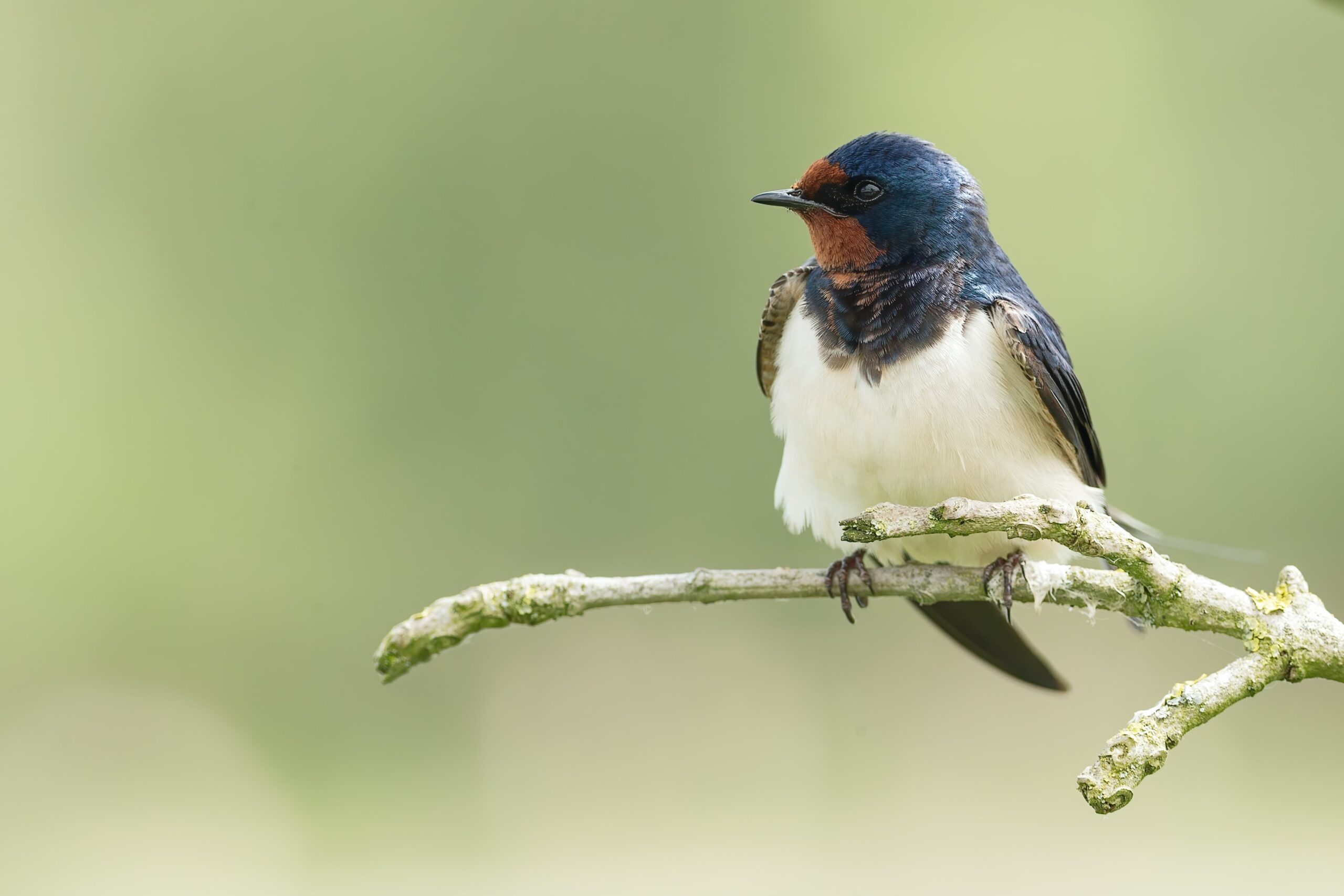
This Blog section has been set up for attendees of the March 4, 2010 Aviation Week Webinar, Effective Airport-Airline Partnerships for Birdstrike Prevention,to post questions and comments to the speakers and on the bird-aircraft strike avoidance topic. If you have a question or comment, enter it under “Leave a Reply” and a Webinar moderator or speaker will respond.
Thursday, February 4, 2010
Last year’s “Miracle on the Hudson” birdstrike crash of US Airways flight 1549 at New York LaGuardia airport focused the aviation industry and regulators on reducing bird-aircraft strike (birdstrike) related risks. Birdstrikes annually cause significant revenue loss to the aviation industry due to aircraft downtime in inspecting for and repairing damage and from the resultant flight delays/cancellations, and, most importantly, place the lives of aircrews and passengers at risk. One year after Flight 1549, what has progressed? What are the new birdstrike challenges? This free Aviation Week Webinar will include presentations by Captain Paul Morell (VP Safety & Regulatory Compliance, US Airways); John Ostrom (Manager, Airside Operations, MSP International Airport & Chairman - Bird Strike Committee USA); and, Ronald L. Merritt (President & Director BASH Services, DeTect Inc.).
Sunday, July 5, 2009
Bird radar systems available now on the commercial market can immediately reduce aircraft-bird strike risk and improve passenger and crew safety. Just this week, American Airlines flight 1256 was forced to make an emergency landing at LaGuardia, when it struck a bird at approximately 900 feet altitude on approach to the airport. Once [...]
Saturday, August 1, 2009
Implementing bird radars at commercial airports does not have to be overly complicated and common sense practices can quickly yield significant reduction in birdstrike risk. The systems and procedures already used by the military, NASA and overseas airports can be adapted to US commercial aviation to immediately improve passenger and aircrew safety, and indeed are already being done so overseas.
Saturday, September 12, 2009
We don’t really know since reporting of birdstrikes is voluntary in most countries including the United States. The US Federal Aviation Administration (FAA) reports that only about 20% of birdstrikes are actually reported at U.S. airports. In August I started an experiment. I created a daily news search for ‘birdstrike’ and logged the news reports. The results are posted chronologically on-line at www.detect-inc.com/birdstrike.htm and in August I found 8 major birdstrikes that were reported although I admit I was not that diligent in keeping up the log.
Saturday, October 3, 2009
The Bird Strike Committee USA-Canada (www.birdstrike.org) held its 11th annual meeting in Canada a couple of weeks ago, and as you can imagine, there was a lot of focus and discussion on how to reduce serious birdstrikes such as the one that caused the January US Airways flight 1549 crash in New York. The “Bird Radar Day” was the best ever with the industry generally dividing into two “camps” … the majority of those who today are taking a pragmatic, incremental approach to integration and use of bird radar technology into airport and aviation operations, and those who seem to generally feel that nothing can really be done until you have the “Star Wars” for birds system that is able to pinpoint every bird in the sky with TCAS-level precision (which in fact is really not that precise).
Wednesday, October 21, 2009
CLICK TO VIEW animation of how a Bird Radar System can provide detection and warning of hazardous bird activity to air traffic controllers and pilots to avoid birdstrikes (copyright 2009 DeTect, Inc. www.detect-inc.com)
Friday, November 6, 2009
The Wind Turbine Guidelines Advisory Committee has recently released the 6th draft of their recommendations for developing effective measures to avoid or minimize wildlife impacts from land-based wind energy facilities. This Federal Advisory Committee (FAC) was chartered just over two years ago (Oct 24, 2007), and although most FAC’s are terminated after two years the [...]
Monday, January 4, 2010
New Jersey – Technical manual for evaluating wildlife impacts of wind turbines requiring coastal permits (NJ DEP, Sep 8, 2009): http://www.nj.gov/dep/landuse/forms/wind_manual090908f.pdf Wyoming – Recommendations for wind energy development in crucial and important wildlife habitat, addresses Sage-Grouse issues (draft, Oct 30, 2009): http://gf.state.wy.us/downloads/pdf/Finalpublicwindenergyrecommendtaionsdraft10.pdf Great Lakes – Offshore siting principles and guidelines for wind development on the Great Lakes [...]
Friday, January 8, 2010
A recent study released in the December issue of the Journal of Applied Ecology addressed changes in the occurrence of several upland bird species around wind turbines in the UK. Besides documenting decreased occurrences of 7 of 12 upland, breeding bird species near wind turbines, it also addressed a previous UK study (Journal of Applied [...]
Tuesday, January 12, 2010
The news today contains reports that Bird-Plane collisions as reported by airlines and airports in the U.S. in 2009 could exceed 10,000. Richard Dolbeer, cited in the article as the Government’s birdstrike expert, is as expressing specific concern about the number of serious collisions that are taking place miles from airports (“beyond the reach of the airport’s bird control program”). Tactical use of bird radars is already being used successfully by the U.S. Air Force at various bases in the U.S. (and soon in Afghanistan) and also overseas at the La Mercy International Airport in Durban, South Africa. Current generation, production model bird radar systems can today provide tactical, actionable information to alert pilots of areas around the airports out to 8-10 miles where heavy bird activity is being detected.
Friday, January 15, 2010
On this anniversary of the birdstrike-caused crash of US Airways flight 1549 in New York's Hudson River, an article today in the Seattle Times updates the latest on the 'bird radar' that the University of Illinois and FAA has been developing at Sea-Tac since 2007. The airport notes that the Sea-Tac bird radar cannot tell what size the bird is, cannot assess the risk to aircraft, nor can it provide the exact altitude of the bird ... all information that is critical to using bird radars operationally. Systems used by the USAF, RAF, NASA and overseas airports already have these functions and have applied them operationally with great success since as far back as 2003 ...
Thu, Mar 4, 2010
This Blog section has been set up for attendees of the March 4, 2010 Aviation Week Webinar, Effective Airport-Airline Partnerships for Birdstrike Prevention,to post questions and comments to the speakers and on the bird-aircraft strike avoidance topic. If you have a question or comment, enter it under “Leave a Reply” and a Webinar moderator or speaker will respond.
Sun, Jul 5, 2009
Bird radar systems available now on the commercial market can immediately reduce aircraft-bird strike risk and improve passenger and crew safety. Just this week, American Airlines flight 1256 was forced to make an emergency landing at LaGuardia, when it struck a bird at approximately 900 feet altitude on approach to the airport. Once [...]
Sat, Aug 1, 2009
Implementing bird radars at commercial airports does not have to be overly complicated and common sense practices can quickly yield significant reduction in birdstrike risk. The systems and procedures already used by the military, NASA and overseas airports can be adapted to US commercial aviation to immediately improve passenger and aircrew safety, and indeed are already being done so overseas.
Sat, Sep 12, 2009
We don’t really know since reporting of birdstrikes is voluntary in most countries including the United States. The US Federal Aviation Administration (FAA) reports that only about 20% of birdstrikes are actually reported at U.S. airports. In August I started an experiment. I created a daily news search for ‘birdstrike’ and logged the news reports. The results are posted chronologically on-line at www.detect-inc.com/birdstrike.htm and in August I found 8 major birdstrikes that were reported although I admit I was not that diligent in keeping up the log.
Sat, Oct 3, 2009
The Bird Strike Committee USA-Canada (www.birdstrike.org) held its 11th annual meeting in Canada a couple of weeks ago, and as you can imagine, there was a lot of focus and discussion on how to reduce serious birdstrikes such as the one that caused the January US Airways flight 1549 crash in New York. The “Bird Radar Day” was the best ever with the industry generally dividing into two “camps” … the majority of those who today are taking a pragmatic, incremental approach to integration and use of bird radar technology into airport and aviation operations, and those who seem to generally feel that nothing can really be done until you have the “Star Wars” for birds system that is able to pinpoint every bird in the sky with TCAS-level precision (which in fact is really not that precise).
Wed, Oct 21, 2009
CLICK TO VIEW animation of how a Bird Radar System can provide detection and warning of hazardous bird activity to air traffic controllers and pilots to avoid birdstrikes (copyright 2009 DeTect, Inc. www.detect-inc.com)
Fri, Nov 6, 2009
The Wind Turbine Guidelines Advisory Committee has recently released the 6th draft of their recommendations for developing effective measures to avoid or minimize wildlife impacts from land-based wind energy facilities. This Federal Advisory Committee (FAC) was chartered just over two years ago (Oct 24, 2007), and although most FAC’s are terminated after two years the [...]
Mon, Jan 4, 2010
New Jersey – Technical manual for evaluating wildlife impacts of wind turbines requiring coastal permits (NJ DEP, Sep 8, 2009): http://www.nj.gov/dep/landuse/forms/wind_manual090908f.pdf
Wyoming – Recommendations for wind energy development in crucial and important wildlife habitat, addresses Sage-Grouse issues (draft, Oct 30, 2009): http://gf.state.wy.us/downloads/pdf/Finalpublicwindenergyrecommendtaionsdraft10.pdf
Great Lakes – Offshore siting principles and guidelines for wind development on the Great Lakes [...]
Fri, Jan 8, 2010
A recent study released in the December issue of the Journal of Applied Ecology addressed changes in the occurrence of several upland bird species around wind turbines in the UK. Besides documenting decreased occurrences of 7 of 12 upland, breeding bird species near wind turbines, it also addressed a previous UK study (Journal of Applied [...]
Tue, Jan 12, 2010
The news today contains reports that Bird-Plane collisions as reported by airlines and airports in the U.S. in 2009 could exceed 10,000. Richard Dolbeer, cited in the article as the Government’s birdstrike expert, is as expressing specific concern about the number of serious collisions that are taking place miles from airports (“beyond the reach of the airport’s bird control program”). Tactical use of bird radars is already being used successfully by the U.S. Air Force at various bases in the U.S. (and soon in Afghanistan) and also overseas at the La Mercy International Airport in Durban, South Africa. Current generation, production model bird radar systems can today provide tactical, actionable information to alert pilots of areas around the airports out to 8-10 miles where heavy bird activity is being detected.
Fri, Jan 15, 2010
On this anniversary of the birdstrike-caused crash of US Airways flight 1549 in New York’s Hudson River, an article today in the Seattle Times updates the latest on the ‘bird radar’ that the University of Illinois and FAA has been developing at Sea-Tac since 2007. The airport notes that the Sea-Tac bird radar cannot tell what size the bird is, cannot assess the risk to aircraft, nor can it provide the exact altitude of the bird … all information that is critical to using bird radars operationally. Systems used by the USAF, RAF, NASA and overseas airports already have these functions and have applied them operationally with great success since as far back as 2003 …
Thu, Feb 4, 2010
Last year’s “Miracle on the Hudson” birdstrike crash of US Airways flight 1549 at New York LaGuardia airport focused the aviation industry and regulators on reducing bird-aircraft strike (birdstrike) related risks. Birdstrikes annually cause significant revenue loss to the aviation industry due to aircraft downtime in inspecting for and repairing damage and from the resultant flight delays/cancellations, and, most importantly, place the lives of aircrews and passengers at risk. One year after Flight 1549, what has progressed? What are the new birdstrike challenges? This free Aviation Week Webinar will include presentations by Captain Paul Morell (VP Safety & Regulatory Compliance, US Airways);
John Ostrom (Manager, Airside Operations, MSP International Airport & Chairman – Bird Strike Committee USA); and, Ronald L. Merritt (President & Director BASH Services, DeTect Inc.).
Thursday, March 4, 2010
8 Comments